Pharmaceuticals
-
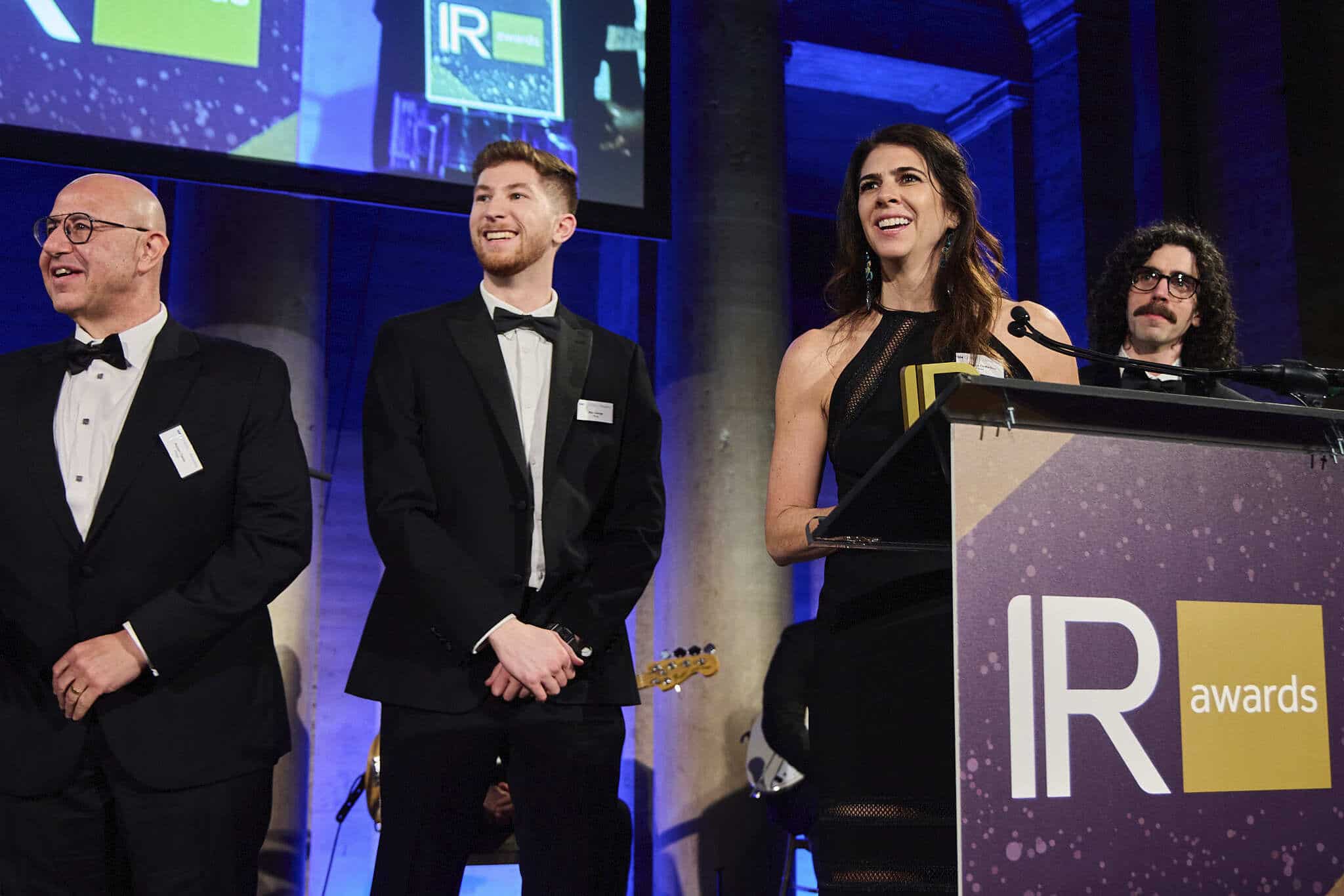
‘Being able to teach, mentor and promote my team is the highlight of my career,’ says Pfizer’s Francesca DeMartino
In her almost three years as chief investor relations officer at Pfizer, Francesca DeMartino has already racked up two IR Impact trophies and a nomination. In an exclusive interview with IR Impact, she talks about the way the team is set up, the support that IR gets from Pfizer management and other functions across the firm – all of which comes together to allow DeMartino to implement ambitious projects beyond the bread and butter of IR. Still, it is the Street-facing side of the role – the lunches that let you get inside the minds of investors and analysts, the…
-
The language of the Street and the lab: What the CFO of Roche looks for from his head of IR
IR alumni from Roche – the 130-year-old Swiss pharmaceutical – include Dr Karl Mahler, Thomas Kudsk Larsen, Nina Goworek and Dr Gerard Tobin. Dr Bruno Eschli, the company’s IR lead for more than four years, delivers an impressive mix of capital markets and science – including an immunology PhD in the lab of Nobel laureate Rolf Zinkernagel and Hans Hengartner. Given this impressive list – and the many more high-IR achievers to come out of the Basel-headquartered firm, what does CFO Dr Alan Hippe look for from his head of IR? As Hippe explains in his profile for The CFO…
-
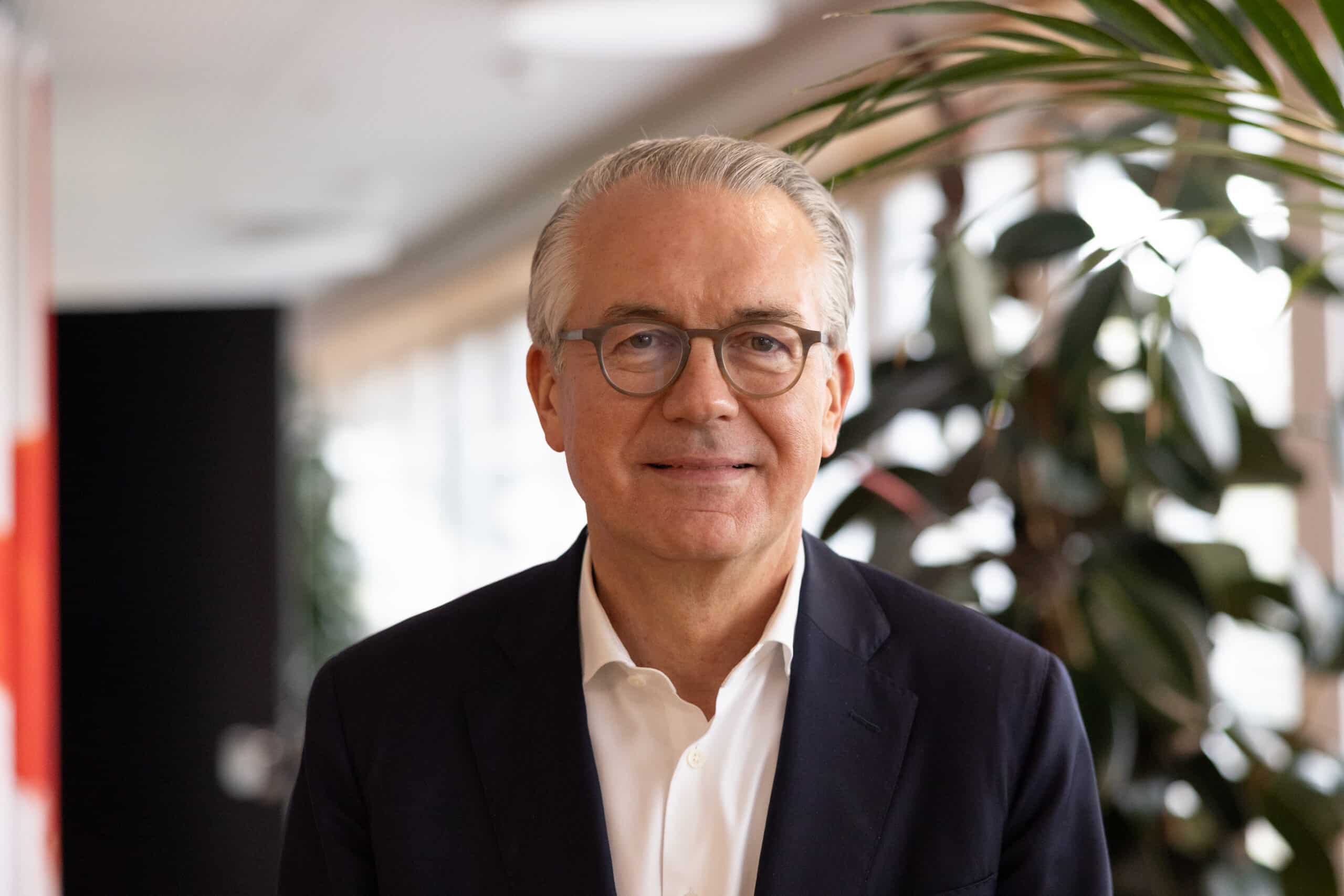
The CFO: ‘The pipeline drives value; I rarely get questions on cash flow,’ says Roche finance chief Dr Alan Hippe
The pharmaceutical company’s CFO on an unconventional path to the C-suite, what it means when investors trust you can generate enough cash and why corporate purpose is part of the fabric of Roche When you’re the CFO of a 261.6bn Swiss franc ($333.5 bn) market cap pharmaceutical giant like Roche, you don’t necessarily have to be ‘the roadshow guy’. Instead, Dr Alan Hippe tells IR Impact that what he loves about the IR work he does are conferences – which are ‘super efficient’ – and investor one-on-ones, which allow you to make a real difference in investor opinion. In…
-

Why I turned down tickets to the opening of the Paris Olympics: the importance of saying ‘no’ in IR
A polite ‘no’ lets you focus on what only the IR team can do – and frees up much-needed time – argues Thomas Kudsk Larsen Last year, I turned down tickets to the opening ceremony of the Paris Olympics. While many might think I was crazy to pass up such an opportunity (I definitely wasn’t, considering the washout on the day), this is just an example (though perhaps a more high-profile one) of why it’s important to get comfortable with the word no if you want longevity in investor relations. The IR octopus People who have been IR professionals for years can…
-

Why Brian Thompson’s killing has prompted companies to think about executive safety and corporate purpose
‘Executive security used to be something of a hard sell,’ says Iylia Lavatelli, a former close-protection security provider, now working at operational resilience firm Restrata, talking about budget as well as executive willingness playing their parts in what any security manager can achieve. That, of course, changed with the shooting of Brian Thompson, UnitedHealthcare CEO, in New York last week. The news today is of companies scrambling to organize their security and senior profiles being removed from corporate websites – health insurance firms in particular


